
Fleet fuel theft represents a significant expense for many businesses. Fuel misuse and theft can cost companies 2–5% of their annual fuel budget. For a business spending $200,000 yearly on fuel, this translates to $4,000 to $10,000 in losses. The advanced security controls built into fleet cards help address these vulnerabilities.
Looking to up the security for your fleet? Apply for a CITGO Fleet Card with security features designed to protect against common fuel theft scenarios.
Many fleet cards require drivers to enter a personal identification number at the pump, which adds an authentication layer to help prevent unauthorized card use.
Common Types of Fleet Fuel Theft
Understanding how fuel theft occurs helps businesses implement countermeasures. Theft takes many forms, ranging from opportunistic misuse to deliberate fraud.
Personal Vehicle Fueling
One of the most common forms of fuel theft involves drivers using company cards to fuel personal vehicles. A driver might fill up their personal car on the way home from work or fuel a spouse’s vehicle while running errands with the company truck.
This type of theft often goes undetected with traditional credit cards because they do not capture vehicle-specific data. Without odometer tracking and vehicle assignment, it is difficult to verify if the fuel purchased was used in company vehicles.
Fuel Transfer and Container Filling
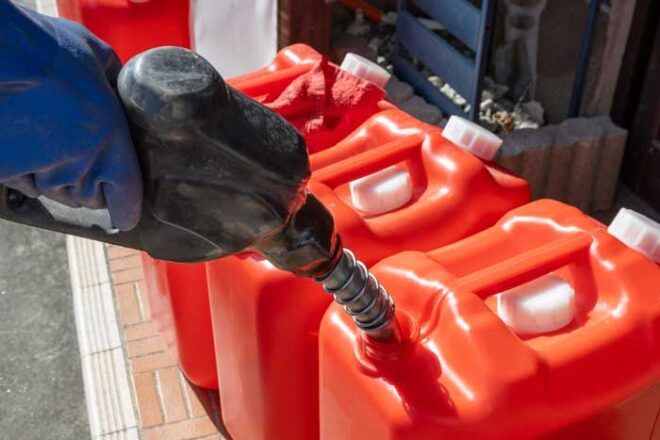
Some drivers purchase more fuel than their assigned vehicle can hold, transferring the excess to portable containers for personal use or resale. A 30-gallon tank should not require a 50-gallon fill-up, but without gallon limits, these transactions process normally.
Card Sharing Between Drivers
Informal card sharing creates accountability gaps. When multiple drivers use the same card, it becomes difficult to track purchases. This lack of accountability can enable overuse and misuse without detection.
Driver PIN Requirements
Many fleet cards require drivers to enter a personal identification number at the pump, which adds an authentication layer to help prevent unauthorized card use. PINs function similarly to debit card security, adding a second factor beyond physical card possession.
How PIN Authentication Works
Each driver receives a unique personal identification number (PIN). This number must be entered to authorize fuel purchases. If someone borrows, finds or steals a card, they cannot use it without the assigned PIN.
This measure reduces opportunistic theft and card-sharing among drivers. The CITGO Fleet Universal Card supports PIN authentication to enforce driver-specific accountability.
PIN Management and Resets
Fleet managers can reset PINs through management dashboards if drivers forget their codes. This ensures drivers can continue operations without disruption.
Gallon and Dollar Limits Prevent Excessive Purchases
Transaction limits serve as a guard against unusually large purchases. These limits work at the point of sale, declining transactions exceeding set parameters.
Setting Limits Based on Vehicle Tank Capacity
Businesses should set gallon limits slightly above the tank’s actual capacity to allow full fills while preventing larger purchases. A vehicle with a 35-gallon tank might have a 40-gallon limit, enough for a complete fill but not enough to fill containers.
Multiple-Transaction-Per-Day Monitoring
Security systems can flag cards used multiple times in a short period, especially at different locations. A driver who fills up, drives 20 miles, and fills up again may be fueling multiple vehicles or filling containers.
Odometer Tracking Validates Fuel Consumption
Requiring odometer entry at each fill-up provides data to validate whether fuel consumption aligns with miles driven.
Calculating Miles Per Gallon Benchmarks
With consistent odometer data, businesses can calculate miles per gallon for each vehicle. Deviations from expected performance may indicate mechanical issues or fuel misuse.
Real-Time Transaction Monitoring and Alerts
Fleet cards are equipped with real-time monitoring, meaning the card system can flag suspicious transactions immediately, allowing investigation while details are current. Flagging transactions requires the use of purchase controls. These controls may be based on location, time of day or days of the week.
Fleet cards are equipped with real-time monitoring, meaning the card system can flag suspicious transactions immediately, allowing investigation while details are current.
Geographic Anomaly Detection
If geographical controls are enabled, transactions outside assigned routes or work areas can trigger alerts. A vehicle assigned to local deliveries being used 200 miles away may indicate unauthorized use or operational issues.
Time-of-Day Alerts
Fuel purchases outside normal business hours often indicate problems. A card used at 11 PM when the driver’s shift ended at 5 PM requires investigation. Setting time-based controls to allow purchases only during business hours means a purchase attempted outside that window will trigger an alert, and the transaction will be denied.
Weekend Use
For businesses operating only on weekdays, cards should only be active Monday through Friday. Any weekend transaction should trigger an alert.
Card Activation and Deactivation Controls
The ability to activate and deactivate fleet cards instantly allows businesses to respond to security issues quickly. Lost cards can be deactivated within seconds, preventing unauthorized purchases.
Temporary Card Suspension
Fleet fuel cards can be suspended temporarily rather than permanently deactivated. This is useful when cards are misplaced or when drivers are on leave.
Immediate Replacement Card Issuance
When fleet cards are lost or stolen, businesses need replacements quickly to avoid disruptions. Fleet card programs may offer expedited shipping to minimize downtime.
Fuel-Only Purchase Restrictions
Similar to time-based restrictions, fleet cards can be programmed to be used across varying purchase categories. Limiting cards to fuel-only purchases prevents drivers from purchasing non-fuel items for personal use.
Such restrictions are effective in high-volume operations where small non-fuel purchases accumulate. Ten drivers, each purchasing $5 of convenience items weekly, represent $2,600 annually.
Detailed Transaction Records Support Investigations
When theft is suspected, transaction records provide evidence for investigation. Fleet cards capture more detail than standard credit cards.
Transaction Data Includes Multiple Verification Points
Each transaction record typically includes date, time, driver ID, vehicle ID, location, fuel type, gallons, cost per gallon and total amount. This data makes it difficult to dispute transactions.
GPS Integration Adds Location Verification
Some systems integrate GPS data from fleet tracking with fuel card transactions. This helps determine if a vehicle’s location and purchase location match.
Regular Audit and Review Processes
Automated controls should be augmented by the regular audit of fuel card transactions to identify patterns indicative of fuel theft or fraud.
Exception Report Analysis
Fleet cards include reporting features. Standard reports include exception reports. A monthly review helps highlight unusual transactions and identify activity outside normal patterns.
Using Custom Reports for Review
In addition to exception reports, fleet managers can create custom reports to focus on specific data points. Managers can review data by vehicle, route, driver and more.
Driver Education and Policy Communication
Clear communication about fuel card policies and consequences helps prevent misuse. Drivers who understand monitoring and enforcement are less likely to misuse cards.
Written Policies and Signed Acknowledgments
Documented fuel card usage policies create clear expectations. Ensure drivers read and sign the policies.
Align Purchase Limits with Policies
Whenever a business uses purchase limits, it’s helpful to set them in tandem with fuel spending policies. When limits and policies align, drivers are set up for success because they always know what is expected of them.
Implementing Comprehensive Security
The most effective approach to preventing fuel theft or fraud combines multiple security layers. No single control prevents all theft, but a system addressing multiple vulnerability points reduces losses. Fleet fuel theft costs businesses thousands of dollars annually, but fleet card security controls help reduce these losses. Driver PIN requirements, transaction limits, odometer tracking, real-time monitoring and audit trails address common theft scenarios. Adding a CITGO fleet card to your business provides access to these features designed to prevent unauthorized fuel usage.
Learn more at citgofleetcard.com.